
Waterproofing Services
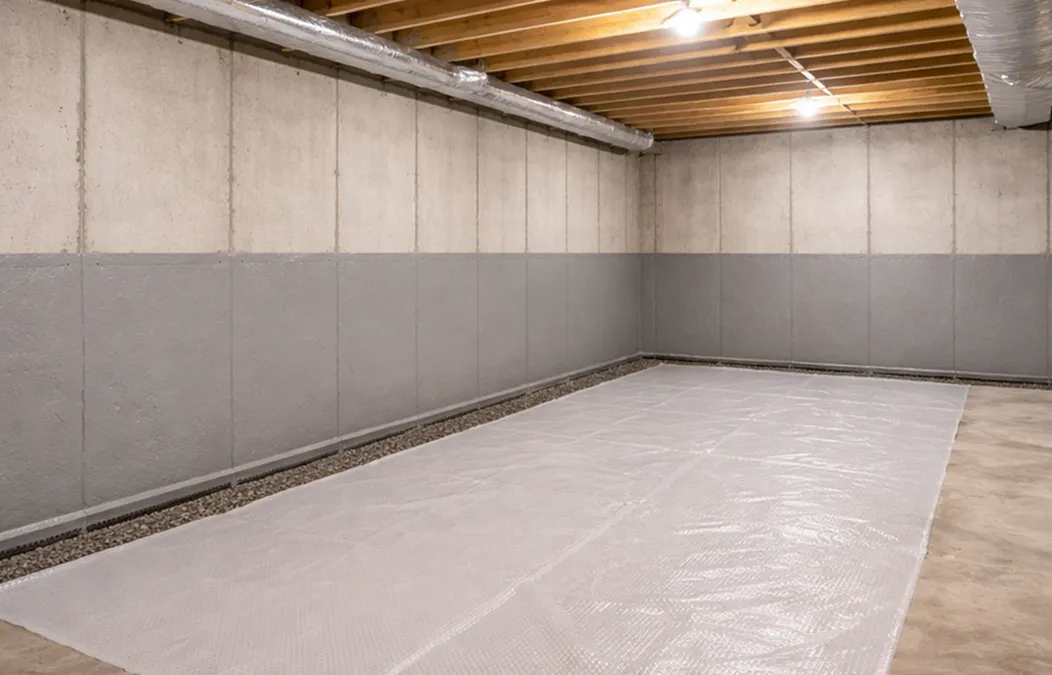
Water doesn’t knock before it enters your home. It seeps through hairline cracks, pools against foundations, and quietly wreaks havoc behind walls, long before you notice the first stain on your ceiling. And by the time you do notice, the damage is already well underway. We’ve seen firsthand what happens when waterproofing gets overlooked, and what a difference it makes when it’s done right. Whether you’re building new, renovating an older property, or dealing with moisture issues that won’t quit, professional waterproofing services are one of the smartest investments you can make.
Our Waterproofing Process
Step 1: Inspection and Assessment
We examine your foundation, crawl space, grading, existing drainage, and any visible signs of moisture intrusion. We also ask about your property’s history, past flooding events, previous repairs, and any ongoing concerns. This gives us a complete picture of what we’re dealing with.
Step 2: Custom Solution Design
There’s no generic waterproofing plan that works for every building. Based on our assessment, we develop a tailored waterproofing strategy that addresses your property’s specific vulnerabilities. We walk you through every recommendation, what we’re proposing, why it matters, and what it’ll cost. No surprises.
Step 3: Professional Installation
Once you approve the plan, our crew gets to work. We handle everything from excavation and membrane application to drainage installation and interior sealing. We use quality materials, follow manufacturer specifications, and keep the job site clean and organized throughout. When we’re done, we walk you through what was installed and how to maintain it going forward.
Common Warning Signs You Need Waterproofing
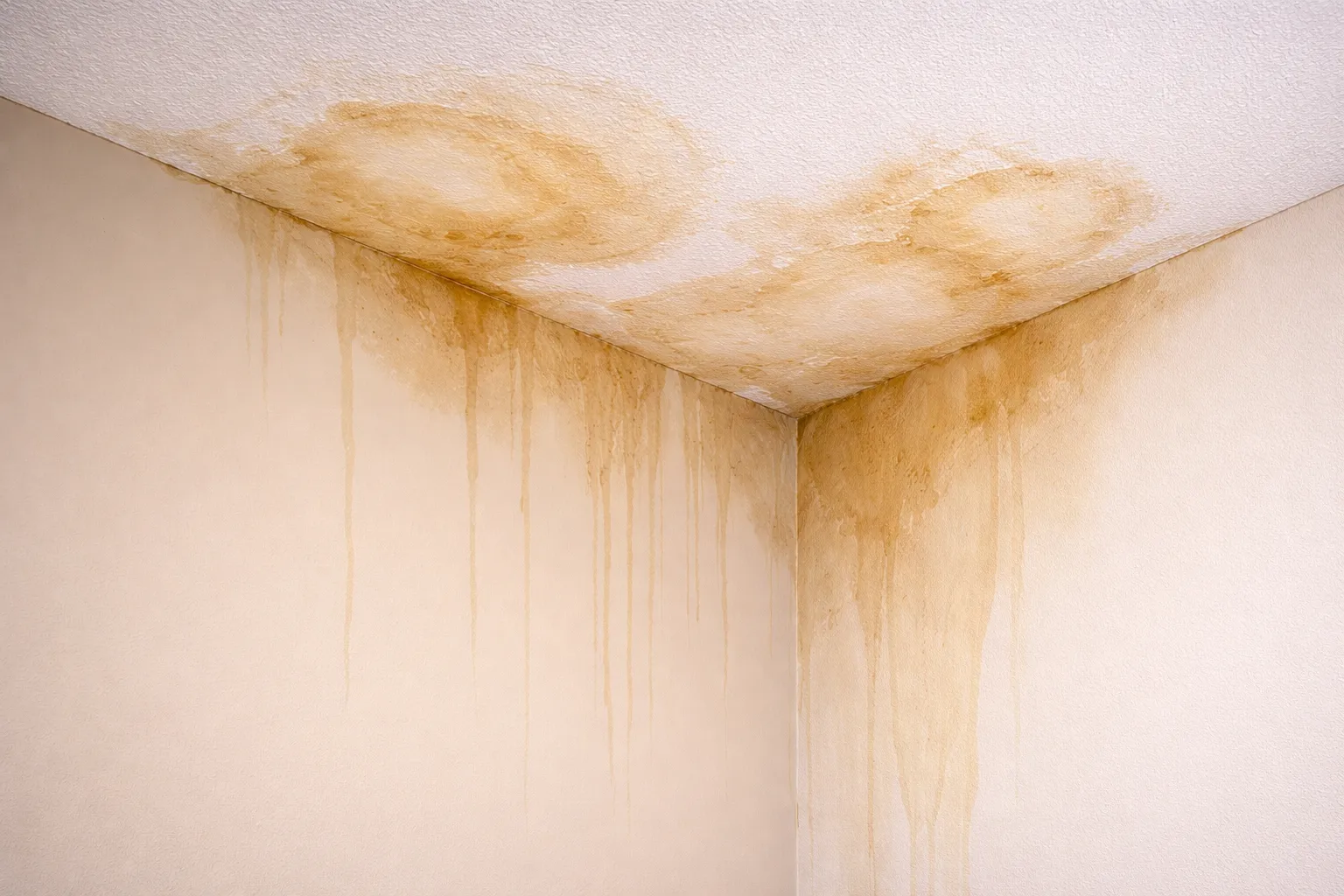
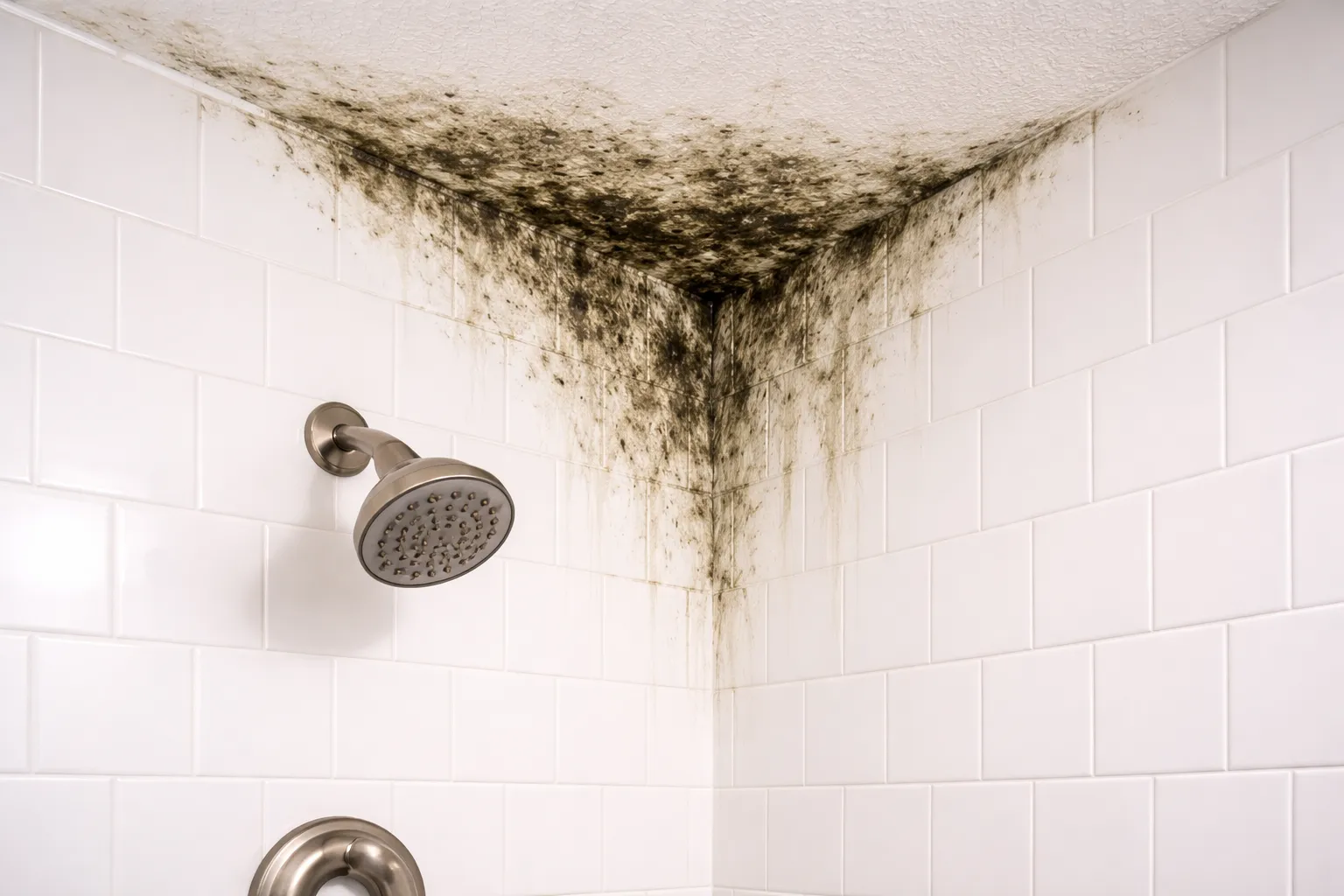
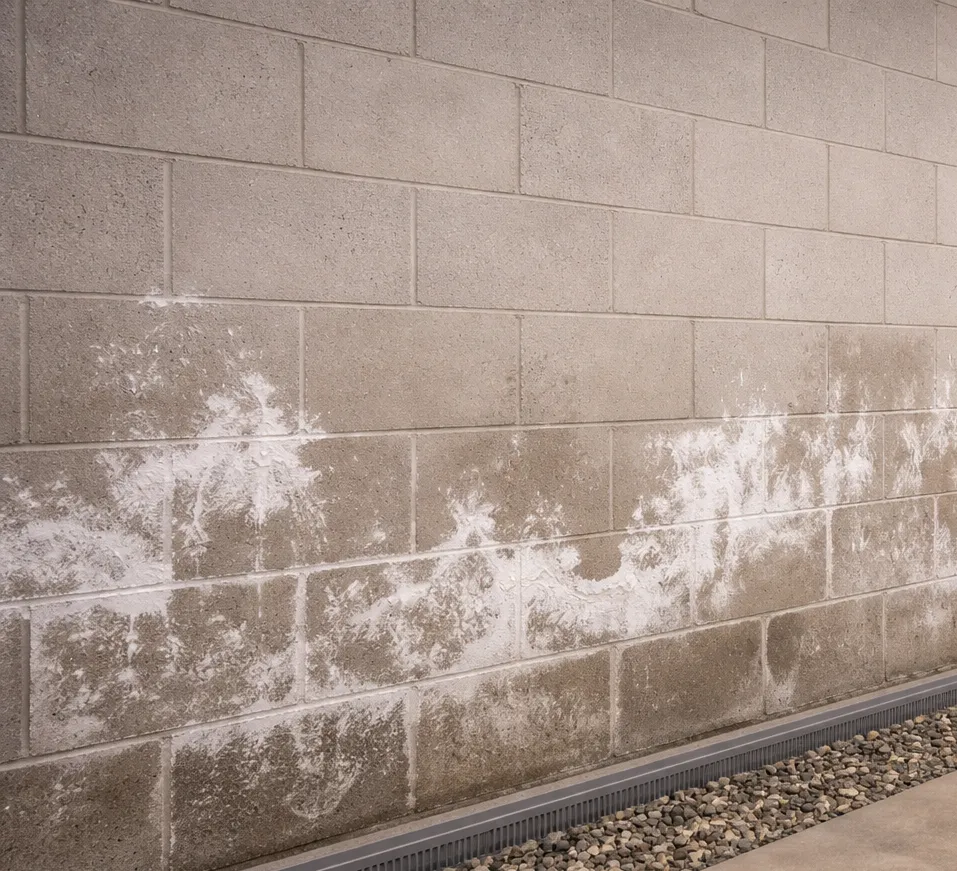
Sometimes the signs are obvious. Other times, they’re subtle enough that you might dismiss them for months, or even years. Here’s what we tell our clients to watch for:
Any one of these signs warrants a closer look. Multiple signs together? That’s your building telling you it needs professional attention, and sooner rather than later.
Foundation Waterproofing: The First Line of Defense
Your foundation is, quite literally, the base your entire structure stands on. And it’s also the most vulnerable point of entry for groundwater and surface runoff. Foundation waterproofing is the single most critical defense against water intrusion in any building.
In Florida, where the water table can be surprisingly high, and soil conditions vary widely, foundations are under constant pressure. Rain saturates the soil around your building, and that water pushes against foundation walls with what engineers call hydrostatic pressure.
Without proper waterproofing barriers, that water finds its way in through pores in the concrete, construction joints, and any cracks that develop over time.
Effective foundation waterproofing blocks moisture at the source, preventing it from ever reaching interior spaces. It protects the concrete itself from degradation, preserves the steel reinforcements embedded within, and keeps your basement or slab-on-grade construction dry and structurally sound.
Interior vs. Exterior Foundation Sealing Methods
This is one of the most common questions we get, and the honest answer is: it depends on your situation.
Exterior foundation sealing is the gold standard. It involves applying waterproof membranes, coatings, or drainage boards directly to the outside surface of your foundation walls. Combined with proper drainage systems, like a French drain installed at the footing level, exterior sealing intercepts water before it ever contacts your foundation.
It’s the most comprehensive approach, and it’s what we strongly recommend for new construction or any time the foundation is already exposed during renovations.
The downside? Exterior sealing requires excavation around the foundation perimeter, which can be disruptive and more expensive upfront.
Interior foundation sealing, on the other hand, addresses water that’s already made it inside. This includes sealants and coatings applied to interior walls, interior drainage channels, and sump pump systems that collect and redirect water. It’s often more practical for existing buildings where excavation isn’t feasible.
In many cases, we recommend a combination of both. Interior systems manage what gets through, while exterior barriers prevent the majority of moisture from reaching the foundation in the first place. The right approach depends on your property’s age, soil conditions, existing drainage, and budget, all things we evaluate during our initial assessment.
Preventative Waterproofing During Renovations and New Construction
Here’s something we can’t stress enough: the absolute best time to waterproof is before problems start.
If you’re planning a renovation or building new, you have a window of opportunity that won’t come around again easily. Walls are open. Foundations are accessible. Drainage paths can be designed into the site plan from day one.
Taking advantage of this stage to integrate preventative waterproofing during renovations, or during new builds, is dramatically more cost-effective than retrofitting later.
During new construction, we incorporate waterproof membranes beneath slabs, apply exterior coatings to foundation walls before backfilling, and install drainage systems as part of the site work. For renovations, especially kitchen and bathroom remodels or patio conversions, we ensure that any areas exposed during demolition get proper moisture barriers before we close them back up.