
Kitchen Remodeling
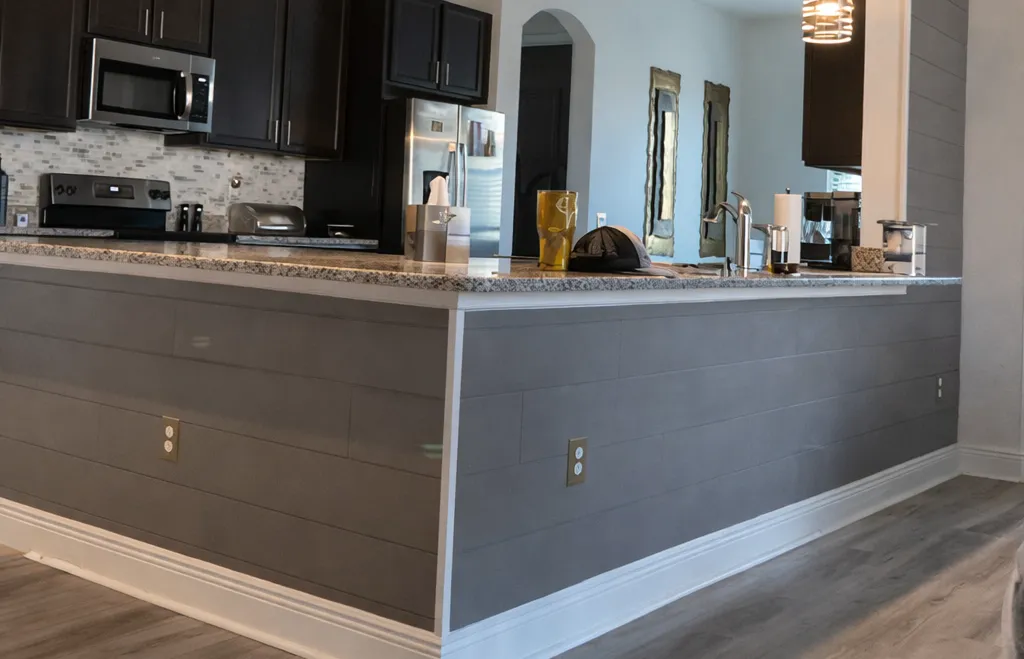
Your Kitchen: Reimagined
The kitchen is where meals are prepped, conversations happen, and first impressions are formed during every open house or client visit.
We’ve spent over 25 years helping homeowners and commercial property owners navigate exactly this kind of project at Montesanti Construction.
Kitchens: Before and After
A professional kitchen remodel can completely transform the heart of your home, turning an outdated and cramped space into a modern, functional area designed for cooking and entertaining. Before the renovation, many homeowners struggle with old cabinetry, worn countertops, poor lighting, and inefficient layouts that make daily meal preparation a frustrating chore. After the remodel the difference is remarkable. New custom cabinets offer generous storage while durable quartz or granite countertops provide a sleek and elegant surface. Updated recessed lighting and stylish pendant fixtures brighten the room and create a warm inviting atmosphere. Open layouts connect the kitchen to living and dining areas, allowing natural light to flow freely throughout your home.
What a Full Kitchen Remodel Involves
Full kitchen remodels aren’t just about swapping out a few fixtures. They’re comprehensive projects that touch nearly every surface and system in the room, cabinetry, countertops, backsplashes, appliances, plumbing, electrical, and sometimes even the layout itself.
1. Design and Planning
We start by understanding your goals, lifestyle, and budget. Whether you’re reconfiguring a cramped galley kitchen or modernizing a large commercial prep space, the design phase sets the foundation for everything that follows.
2. Demolition and Prep Work
Once the plan is locked in, we remove existing cabinets, countertops, flooring, and appliances. This is also when we address any underlying issues like outdated wiring or plumbing that doesn’t meet current code.
3. Installation and Finishing
This is where the transformation happens. Cabinet installation comes first, followed by countertops, backsplash installation, appliances, and final details like lighting and hardware. Each phase builds on the last, which is why sequencing matters so much.
What Goes Into Your New Kitchen
There are so many options for you to choose from in creating the kitchen of your dreams.
Cabinet Installation
Cabinets are the backbone of any kitchen. They define the layout, dictate storage capacity, and set the visual tone of the entire space. That’s why cabinet installation is one of the first major steps after demo is complete, everything else is built around them.
Choosing the Right Cabinet Style and Layout
The right cabinets depend on a few things: your kitchen’s footprint, how much storage you need, and the aesthetic you’re going for. Shaker-style cabinets remain a popular choice for their clean lines and versatility, they work in both modern and traditional kitchens. Flat-panel (or slab) doors lean more contemporary, while raised-panel styles suit a classic look.
Layout matters just as much as style. We typically recommend thinking in terms of the “work triangle”, the relationship between your sink, stove, and refrigerator. Your cabinet configuration should support efficient movement between these zones without unnecessary obstacles.
Countertop Installation
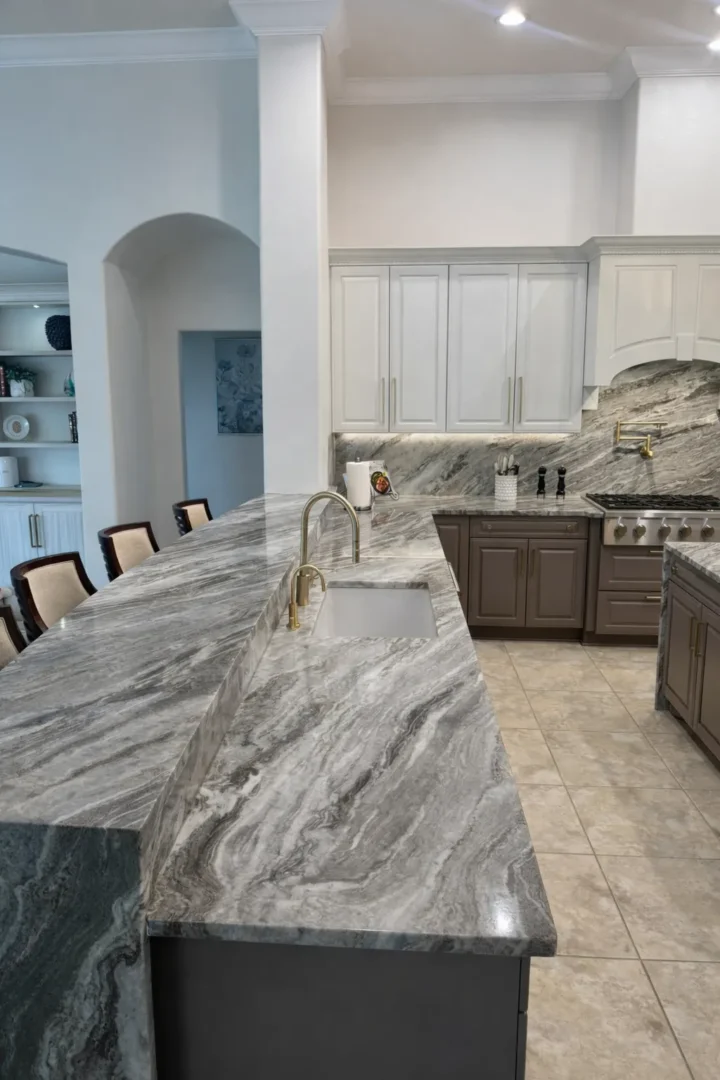
Once cabinets are set, countertop installation is the next major milestone. Countertops need to be precisely measured and templated after cabinets are in place, not before, because even small discrepancies can lead to poor fits and visible gaps.
Popular Countertop Materials and Their Benefits
There’s no shortage of options here, and the “best” material really depends on your priorities:
We help clients weigh these trade-offs based on their daily habits, maintenance preferences, and budget. A busy family of five has different needs than a couple who rarely cooks, and your countertop choice should reflect that.
Backsplash Installation
Backsplash installation is one of those details that can elevate an entire kitchen. It protects your walls from splashes and stains (obviously), but it’s also a chance to inject some personality into the space.
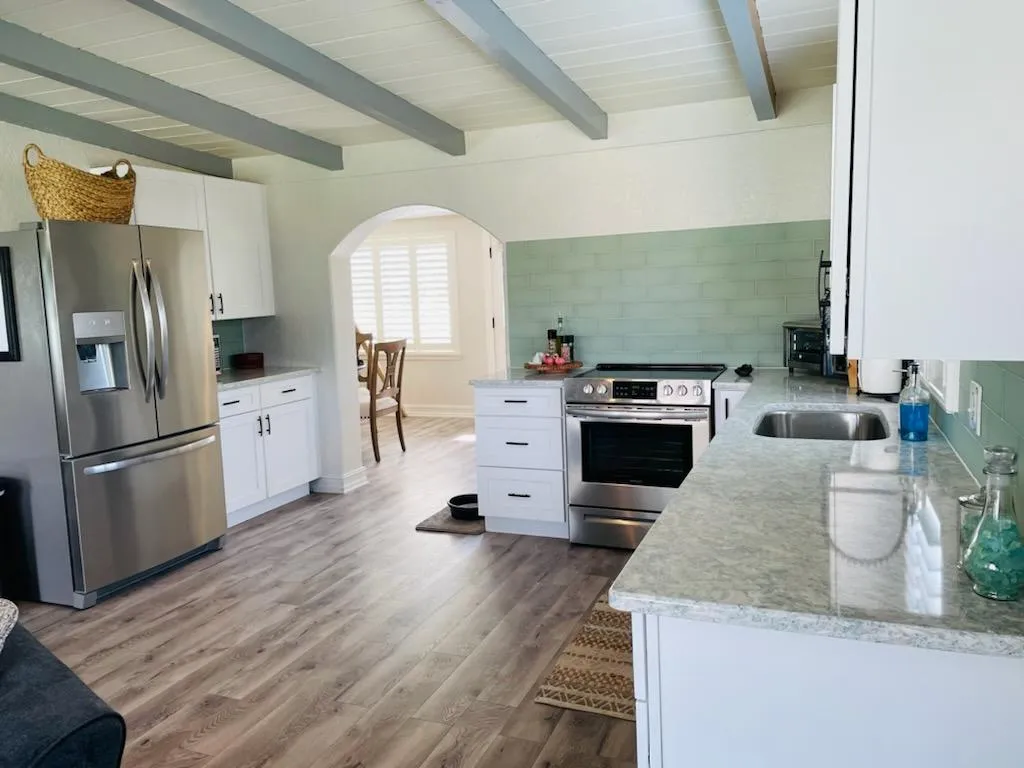
Subway tile is still the most requested style we see, it’s affordable, timeless, and pairs well with almost any cabinet and countertop combination. But we’ve also been installing a lot more large-format porcelain, natural stone mosaics, and even patterned cement tiles for clients looking for something with more visual punch.
The key with any backsplash is proper prep work. The wall surface needs to be clean, level, and primed before a single tile goes up. Grout selection matters too, darker grouts hide stains better, while lighter grouts create a cleaner, more seamless look. It’s a small decision that makes a noticeable difference in the finished product.
Adding a Kitchen Island to Your Remodel
Kitchen island installation is one of the most requested additions we handle during remodels, and for good reason. An island adds counter space, storage, and can serve as a casual dining area or a central gathering spot.
But not every kitchen can support one. You generally need at least 36 to 42 inches of clearance on all sides for comfortable movement. In smaller kitchens, a portable or rolling island can offer some of the same benefits without permanently eating up floor space.
For larger kitchens, a custom island opens up serious possibilities: integrated sinks, built-in cooktops, wine fridges, or even a secondary dishwasher. We’ve designed islands with waterfall-edge countertops, open shelving underneath, and seating for six. The trick is making sure the plumbing, electrical, and structural support are planned well in advance, retrofitting these elements after the fact is expensive and disruptive.
How to Plan and Budget for Your Kitchen Remodel
Budgeting for a kitchen remodel is where most homeowners feel the most uncertainty. Costs can vary dramatically depending on the scope of work, materials chosen, and your local market.
As a rough framework, here’s how the budget typically breaks down:
We always advise setting aside an additional 10–15% as a contingency fund. Older homes especially tend to reveal surprises behind walls, outdated plumbing, insufficient insulation, or wiring that needs to be brought up to code.
The best thing you can do is be upfront about your budget from the start. At Montesanti Construction, we work with clients to prioritize where to invest and where to save. Maybe you splurge on quartz countertops but go with a more affordable backsplash tile. Or maybe you invest in high-end appliances and choose stock cabinets instead of custom. There’s always a way to get a beautiful, functional kitchen without blowing past your number.
Frequently Asked Questions
Start Your Kitchen Remodel
Ready to transform your kitchen into a space that’s functional, refined, and built to last? Contact us today!