Drywall Services
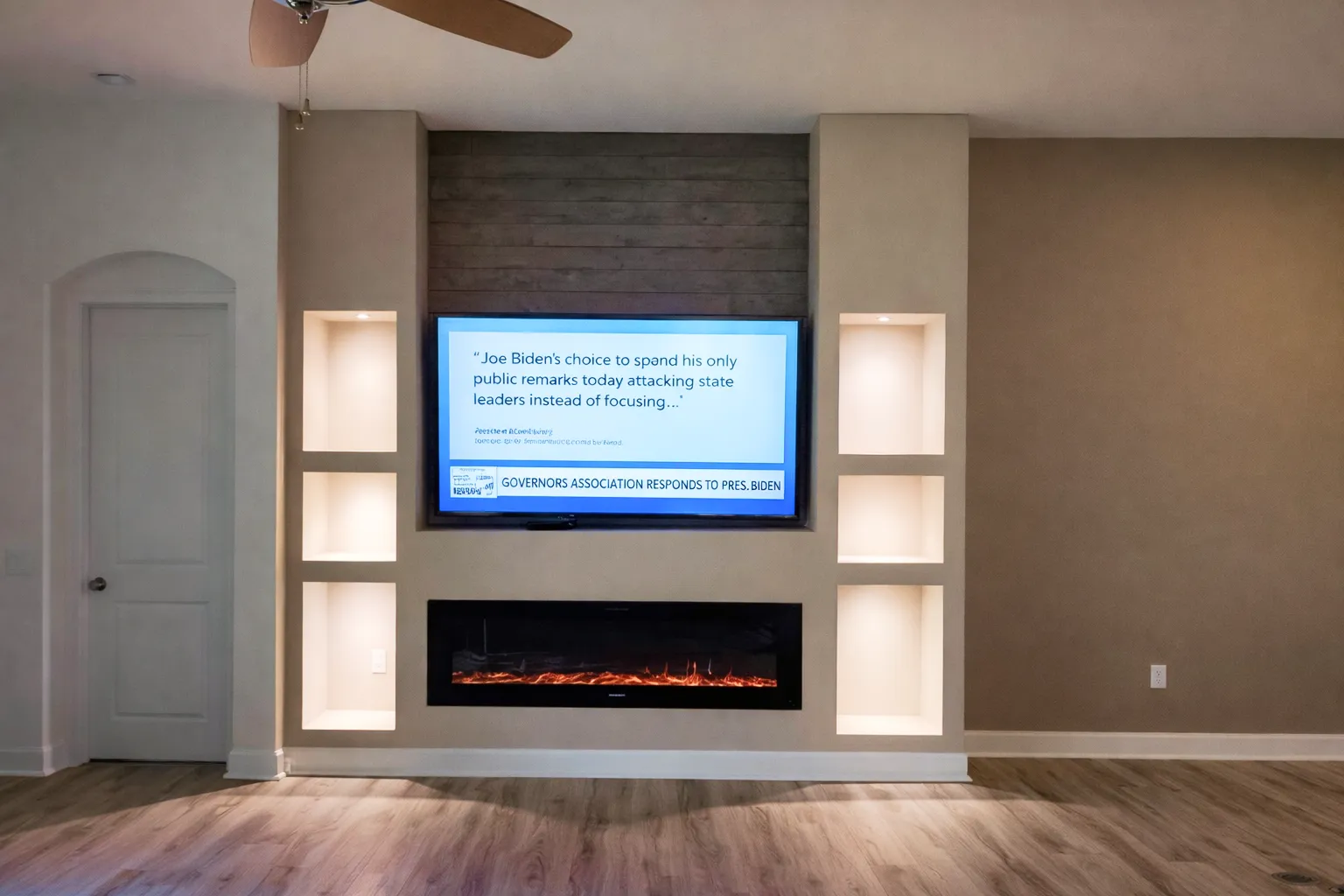
Drywall is the canvas behind the paint, the barrier between rooms, and, when done right, something you never even think about. But when it’s done poorly? You get cracks, bubbles, uneven seams, and water stains that make a space feel neglected.
Our Drywall Process
Step 1: Assessment and Material Selection
Before a single sheet goes up, we assess the space layout, identify obstacles like plumbing and electrical runs, and determine the right materials for each area. Standard drywall works great for most interior walls, but bathrooms, kitchens, and laundry rooms often call for moisture-resistant board. Commercial spaces may need fire-rated panels to meet code.
Step 2: Precision Cutting and Installation
We measure and cut each sheet, then secure panels to the framing with screws placed every 12 to 16 inches. Proper fastening matters more than most people realize. Too few screws, and you’ll get nail pops and loose spots within a year or two.
Step 3: Taping, Mudding, and Finishing
Once the boards are hung, we tape every seam, apply joint compound in multiple thin layers, and sand everything smooth. This step is where craftsmanship really shows. Rushing the mud work or skipping a sanding pass creates visible seam lines that’ll haunt the paint job later.
Drywall Repair and Water-Damaged Drywall Replacement
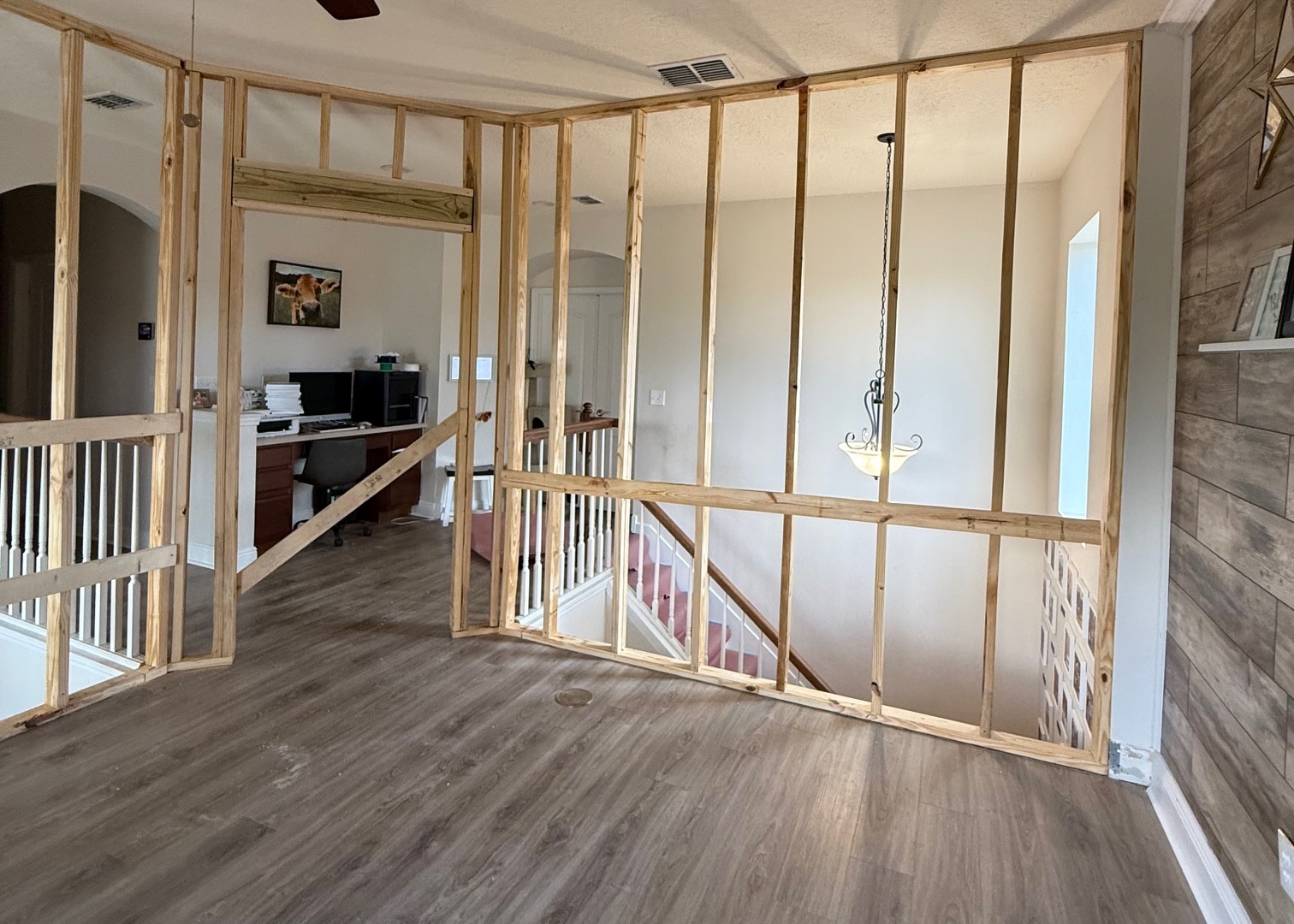
Not every drywall project starts from scratch. In fact, most of the calls we get are for repairs, everything from a doorknob-sized hole to an entire ceiling ruined by a slow roof leak. The key with any repair is making it invisible. Nobody wants to see where a patch was done, and with the right technique, they won’t.
Fixing Cracks, Holes, and Minor Damage
Small cracks along seams and nail pops are incredibly common, especially in Florida where humidity causes materials to expand and contract. For minor damage, we clean out the area, apply fresh joint compound over mesh tape, feather the edges, and sand it smooth.
Larger holes, from doorknobs, accidental impacts, or removed fixtures, require a bit more work. We cut a clean opening around the damaged area, add wood furring strips as backing every six inches or so, then cut a patch to fit snugly. The patch gets screwed securely into the backing, and from there it’s the same tape-mud-sand process.
Addressing Water-Damaged Drywall
Water-damaged drywall replacement is a different animal. When drywall gets wet, whether from a burst pipe, roof leak, or flooding, it loses structural integrity fast. And the bigger concern is what’s hiding behind it: mold and mildew that can spread rapidly through wall cavities if left unchecked.
Our approach starts with identifying and resolving the water source. There’s no point in hanging new drywall over a problem that’s going to repeat itself. Once the source is addressed, we inspect the framing and insulation behind the damaged panels, remove everything that’s compromised, and replace it with fresh material.
Drywall Texture Matching and Finishing
Drywall texture matching is arguably the hardest part of any repair or partial renovation. If you’ve ever seen a repaired wall where the patch is smooth, but the rest of the wall has a knockdown or orange peel texture, you know exactly what we’re talking about. It sticks out like a sore thumb, even under fresh paint.
We take texture matching seriously. After the mudding and sanding stages are complete, we carefully replicate the existing texture pattern on the repaired area. Whether it’s knockdown, skip trowel, orange peel, smooth, or something more custom, we use the right tools and techniques to blend the new work into the old.
For larger jobs, we use professional-grade taping guns and texture sprayers that allow us to dial in the exact pattern and consistency.
Once the texture is applied and dried, we prime the surface, so it’s completely ready for paint. A good prime coat ensures the repaired area absorbs paint at the same rate as the surrounding wall, which eliminates those subtle sheen differences that give away a repair.
Popcorn Ceiling Removal and Modern Alternatives
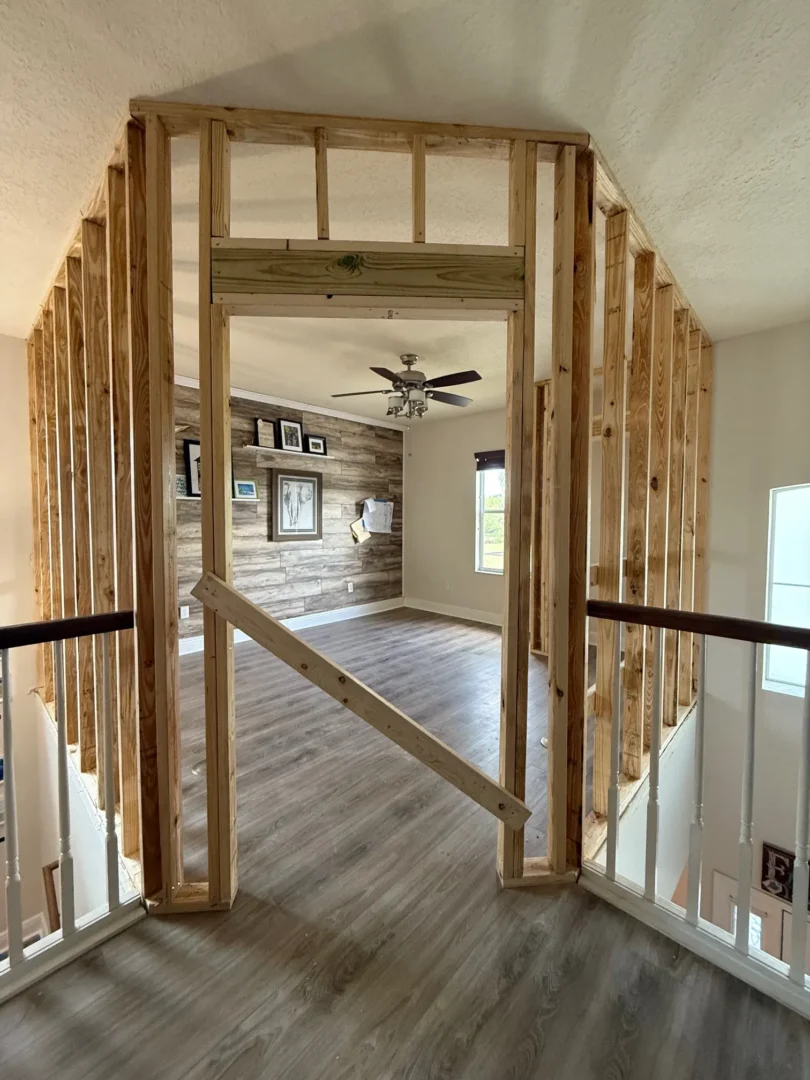
If your home was built before the mid-1990s and hasn’t been renovated, there’s a decent chance you have popcorn ceilings. They were wildly popular for decades because they hid imperfections and provided some acoustic dampening. But styles change, and today most homeowners and buyers see popcorn ceilings as dated.
Popcorn ceiling removal is one of our most requested services. The process involves wetting the texture to soften it, carefully scraping it off in sections, and then skim-coating the ceiling to create a smooth, modern surface.
And there’s one important consideration many homeowners overlook: if the home was built before 1980, the popcorn texture may contain asbestos. If asbestos is present, the removal needs to follow specific safety protocols.
Once the popcorn is gone, you’ve got options. A smooth ceiling is the most popular choice and gives any room a clean, contemporary look. But some homeowners opt for a light knockdown or orange peel texture instead, which adds a little visual interest while still looking modern.
We also install new drywall directly over existing popcorn ceilings in cases where removal isn’t practical, for instance, when the texture has been painted over multiple times and scraping would cause too much damage. This overlay approach gives you a fresh surface without the mess of full removal.
Whichever route you go, removing or covering popcorn ceilings is one of the fastest ways to make a home feel updated.
Specialty Drywall Upgrades
Standard drywall does the job for most situations, but certain spaces have specific requirements that call for specialty products. We install a range of upgraded drywall types based on the unique needs of each property.
Soundproofing Drywall for Noise Reduction
Soundproofing drywall is popular for home theaters, music rooms, bedrooms that share walls with noisy living areas, and home offices. For commercial properties, it’s often a requirement for medical offices with patient privacy concerns, recording studios, conference rooms, and multi-tenant buildings.
Soundproofing drywall is denser and thicker than standard sheets, incorporating viscoelastic polymers or multiple layers of gypsum to dampen sound transmission. We install it the same way as standard drywall but with additional attention to sealing gaps around outlets, fixtures, and edges where sound can leak through.
Fire-Rated Drywall for Enhanced Safety
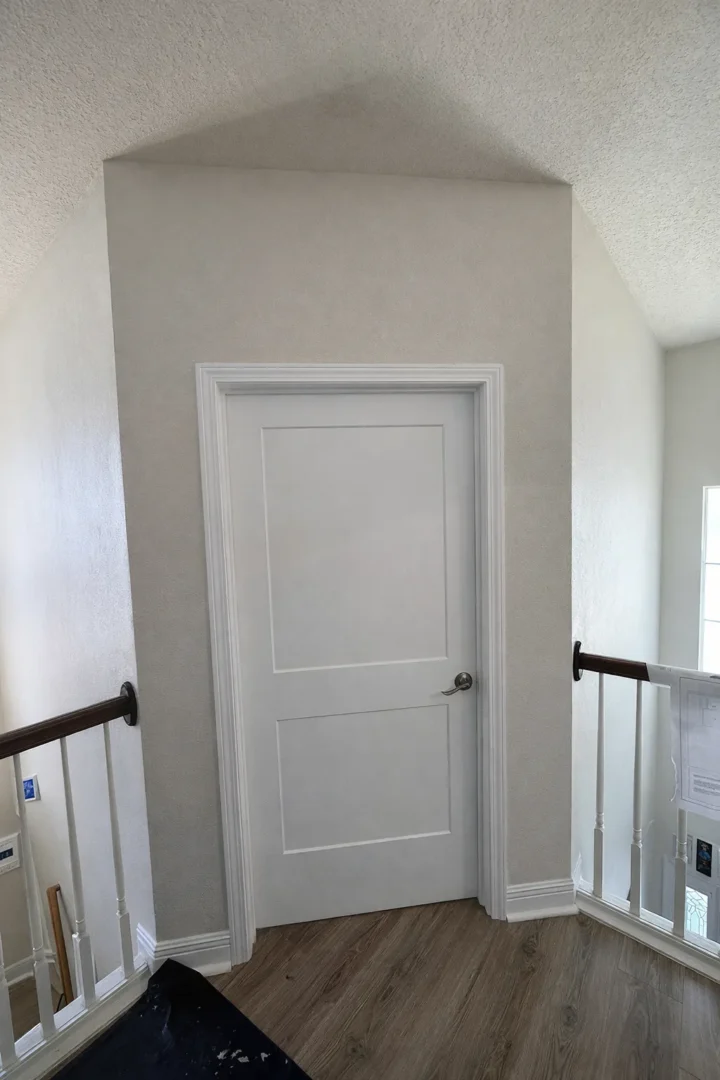
Fire-rated drywall, sometimes called Type X, is thicker than standard drywall and contains glass fibers that help it resist fire for longer periods. Building codes require it in specific locations: garage walls and ceilings that adjoin living spaces, stairwells, utility rooms, and many commercial applications.
But code compliance is the floor, not the ceiling. Some of our clients choose to install fire-rated drywall in additional areas simply for the added peace of mind. It’s a relatively small upgrade in material cost that can buy precious extra minutes in an emergency.
Frequently Asked Questions About Our Drywall Services
Start Your Drywall Project
Have a drywall project that needs to get done? Contact us today!